Ben Meier · 29 October 2026
How Fishing Villages Are Using Ancestral Knowledge to Guide Dune Restoration Projects in Northern Poland
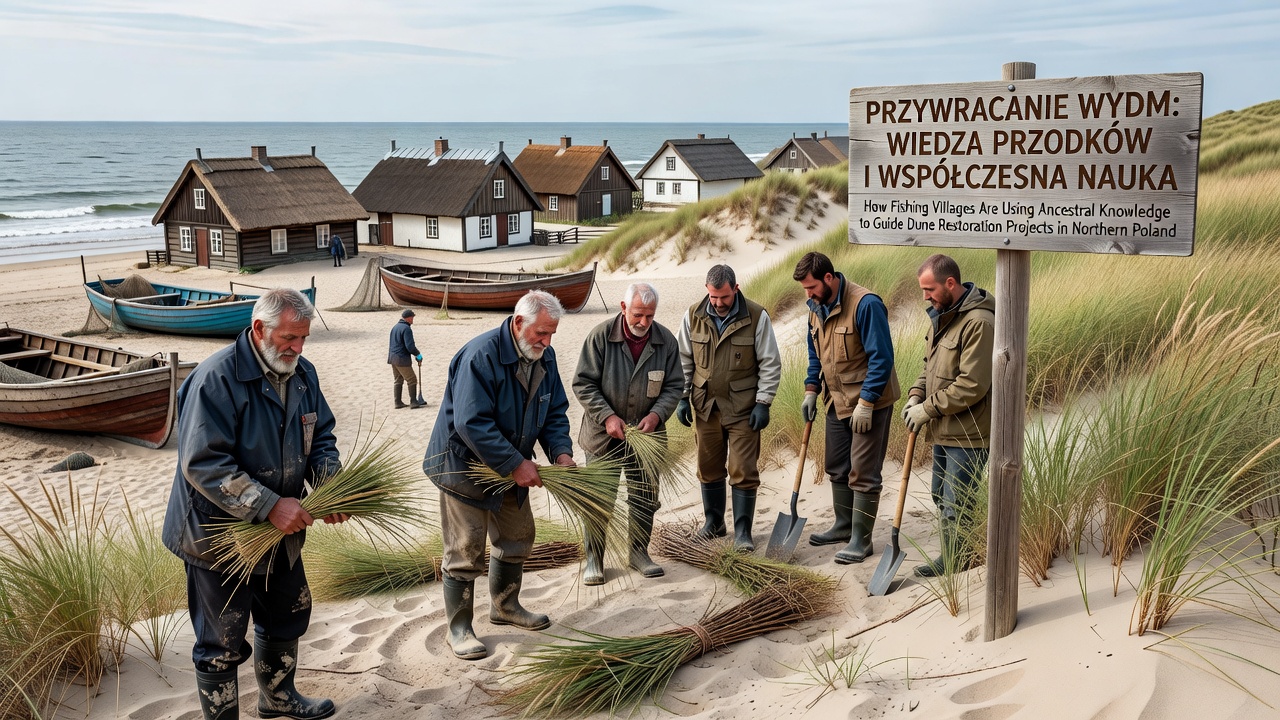
Fishing villages along Poland's northern Baltic shoreline have drawn on generations of local observations to support dune restoration work, combining historical accounts of sand movement with current planting and stabilization techniques. These communities maintain records through family stories and practical experience that describe how certain plant species respond to wind patterns and seasonal tides, details that researchers now cross-reference with field measurements taken throughout 2026.
Traditional Observations Shape Plant Selection
Residents in villages such as Jastarnia and nearby settlements recall which native grasses and shrubs historically held dunes in place during strong autumn gales, and restoration teams apply those same species lists when ordering seedlings for October 2026 plantings. This approach avoids introducing varieties that earlier generations noted as less effective against salt spray, while favoring plants whose root systems were documented to bind sand layers over multiple decades. Data collected by local monitoring groups shows these choices have produced measurable increases in vegetation cover on restored sections compared with trial plots that used only commercially available mixes.
Integration of Oral Histories with Field Surveys
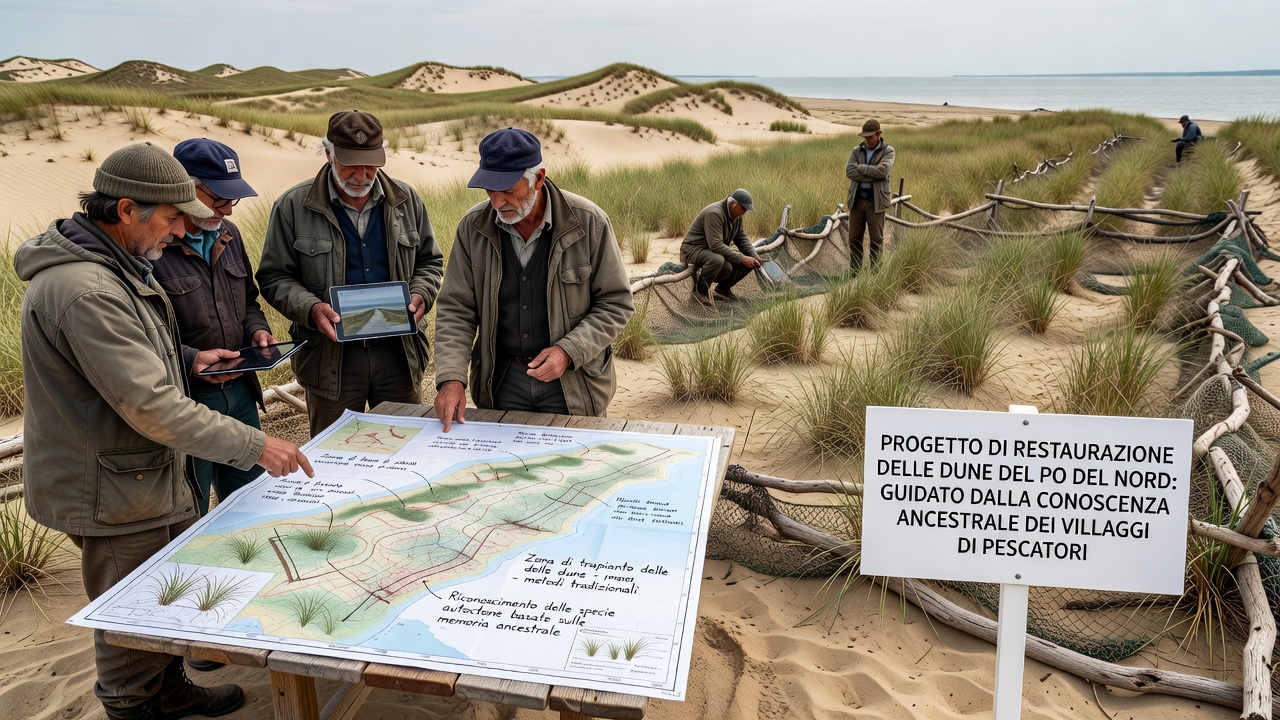
Teams working on the projects record interviews with older residents about past dune breaches and recovery timelines, then match those accounts against topographic maps from the 1950s onward to identify stable versus mobile sand zones. The resulting maps guide placement of brushwood fences and low wooden barriers that mimic older protective structures once built from driftwood and beach debris. In one documented stretch near the village of Karwia, this method directed fence alignment along routes that elders described as natural windbreaks, resulting in reduced sand loss during spring storms recorded in 2026.
Community-Led Monitoring and Seasonal Timing
Restoration schedules follow calendars derived from fishing logs that note peak periods of sand accumulation and erosion, allowing crews to time earthworks and seeding for windows when wind speeds typically drop. Participants track progress through repeated photography and simple stake measurements that continue the same visual recording methods used by previous generations to judge beach width before winter fishing seasons. Reports compiled in mid-2026 indicate that sections managed under these combined schedules retained more foredune height after summer visitor traffic than adjacent areas restored without reference to historical timing data.
Partnerships with Research Institutions
Local councils coordinate with coastal research centers to test soil samples from areas identified in ancestral accounts as former dune ridges, confirming nutrient levels that support the plant species remembered as most resilient. These partnerships produce annual progress summaries that list both restored square meters and the specific traditional indicators used to select each site. Figures released for the 2025-2026 season show participation from eight villages contributing documented knowledge that informed over 12 hectares of active restoration along the Pomeranian coast.
Documentation and Knowledge Transfer
Villages maintain written summaries of the oral knowledge gathered during project meetings, storing copies in community centers so younger residents can review the same plant lists and seasonal markers applied in current work. Training sessions pair experienced fishers with restoration crews to demonstrate hand-planting methods that reduce root damage compared with mechanical approaches, techniques refined through trial and error across earlier dune repair efforts. This transfer process continues into October 2026, with new participants adding their own observations of recent weather events to the shared records.
Conclusion
Projects across northern Poland continue to draw on fishing village records of dune behavior, linking those accounts to measurable outcomes in vegetation cover and sand retention. The resulting efforts demonstrate how accumulated local knowledge supplies precise guidance on species choice, site selection, and seasonal scheduling that complements technical surveys. Ongoing documentation ensures the same body of information remains available for future phases of work along the Baltic shoreline.